Life on Rathlin Island — Community and Culture
Rathlin Island is not just a nature reserve or a tourist destination — it is a living, working community. Approximately 150 people call Rathlin home year-round, maintaining farms, fishing the surrounding seas, running businesses, raising families and sustaining a way of life that is unlike anywhere else in Northern Ireland.
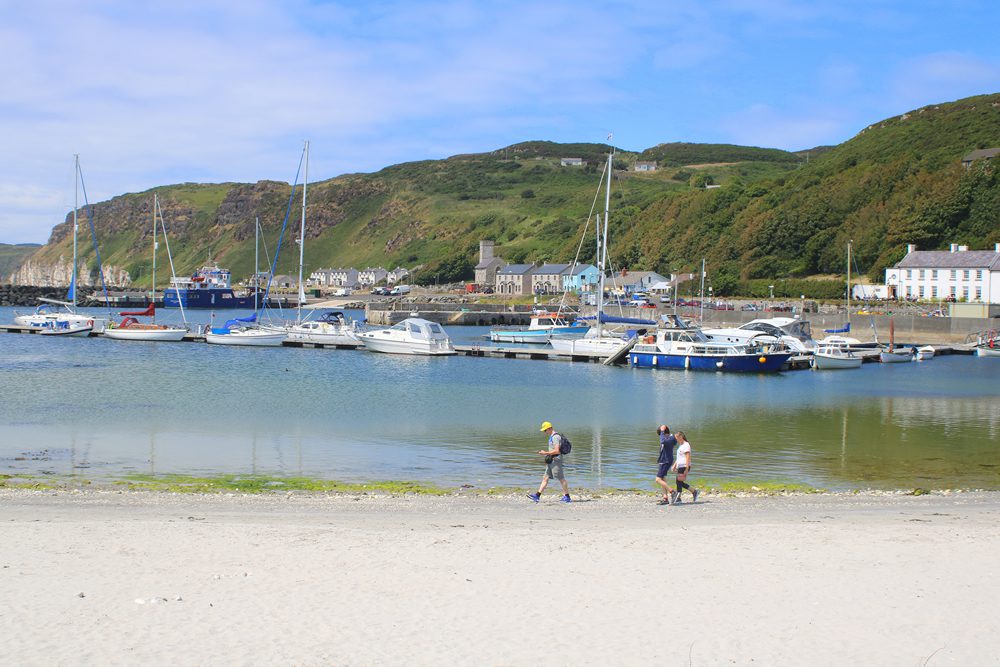
Understanding Rathlin as a community, rather than simply as a scenic backdrop for a day trip, adds an important dimension to any visit. The island’s residents are the guardians of its heritage, the stewards of its landscape, and the people who make it a real place rather than a managed attraction.
A Small but Resilient Community
At its peak in the 19th century, Rathlin Island had a population of over 1,000 people. Today, with approximately 150 permanent residents, it is one of the smallest island communities in the British Isles. That small number, however, belies the richness and self-sufficiency of island life.
Rathlin has its own primary school, health centre, community hall, shop and pub — the basic infrastructure of a functioning community, maintained against the considerable logistical challenges of island life. The ferry is the lifeline that connects Rathlin to the mainland, bringing supplies, services, visitors and news.
Farming and Fishing
Agriculture and fishing have been the foundations of Rathlin’s economy for centuries, and both continue to play an important role today. The island’s farmers maintain the grassland and agricultural landscape that forms so much of its visual character, while local fishermen work the rich waters of the North Channel for lobster, crab and fish.
Tourism and Conservation
Tourism has become an increasingly important part of Rathlin’s economy, with tens of thousands of visitors arriving each year — primarily during the puffin season. The community has embraced tourism as a means of sustaining island life while working hard to ensure that visitor pressure does not damage the natural environment that attracts visitors in the first place.
The RSPB’s presence on the island, managing the West Light Seabird Centre and the nature reserve, is an important part of this balance — providing employment, infrastructure and expertise that benefits both wildlife and the human community.
Sustainable Island Living
Rathlin Island has been at the forefront of sustainable energy on Irish islands. The island uses wind energy to generate a significant proportion of its electricity needs, reducing dependence on expensive diesel generation that has historically powered remote island communities.
Visiting Respectfully
Visitors to Rathlin are guests in a living community as well as a nature reserve. A few principles make for a better visit for everyone:
- Respect private land and stay on marked paths
- Keep dogs on leads at all times — to protect both wildlife and livestock
- Take all litter home with you
- Support local businesses — buy from the island shop, eat and drink at McCuaig’s Bar, book locally owned accommodation
- Be mindful of noise, especially in the evenings in the village area
- Leave the island as you found it