The Snake Test of 1617 – How Ireland Won Rathlin Island
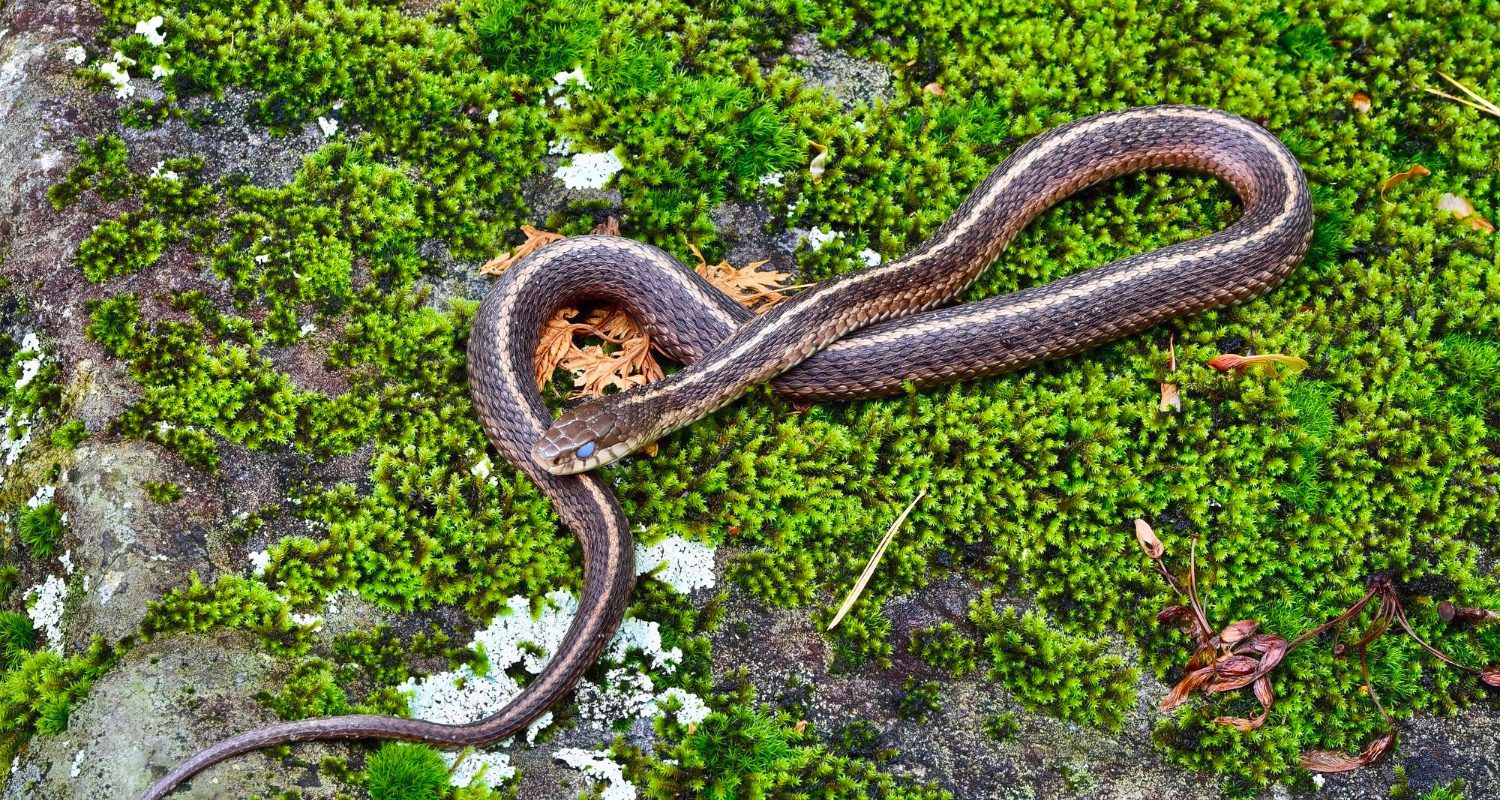
History is full of unusual ways to settle disputes — battles, treaties, marriages, coin tosses. But for sheer eccentricity, it is hard to beat the method used in 1617 to determine whether Rathlin Island belonged to Ireland or Scotland: they released a snake on it and waited to see what happened.
This is not a legend or a myth. It is documented history, and it remains one of the most remarkable footnotes in the long, complicated story of this small island sitting in the North Channel between two nations.
The Problem with Rathlin
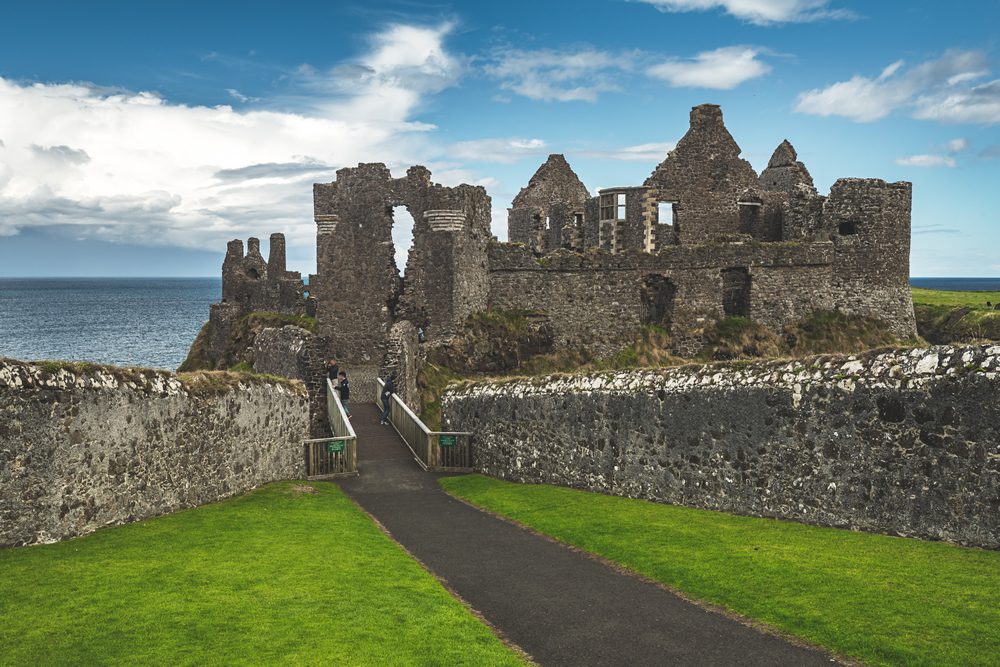
The difficulty was geographical. Rathlin Island sits six miles off the coast of County Antrim in Ireland, but just fifteen miles from the Mull of Kintyre on the Scottish mainland. On a clear day, Scotland is plainly visible from Rathlin’s northern shore — closer, in fact, than several points on the Irish coast.
This proximity had caused confusion and conflict for centuries. The island had been claimed, fought over, raided, settled and resettled by both Irish and Scottish interests since at least the early medieval period. The MacDonnell clan — a powerful Gaelic Scottish family — had established themselves across both the north Antrim coast and the southern Scottish islands, treating the North Channel as an internal sea rather than an international boundary. Indeed, the island had already witnessed considerable violence in its turbulent history, including the devastating MacDonnell Massacre of 1575.
By the early seventeenth century, as the English Crown was consolidating its grip on Ulster and the formal distinction between Irish and Scottish territory was becoming increasingly important for legal and administrative purposes, the ambiguity over Rathlin’s nationality had become a genuine problem that needed a definitive resolution.
St Patrick and the Snakes
The solution that was eventually proposed drew on one of the most famous legends in Irish Christianity: the story of St Patrick banishing all snakes from Ireland. According to tradition, the fifth-century missionary saint had driven every serpent from Irish soil — a miracle that had left Ireland uniquely snake-free among the British Isles. The story was well-established long before 1617, and it gave the authorities an elegant, if highly unconventional, idea.
If Rathlin Island was truly Irish territory, the logic went, then St Patrick’s miracle should apply to it. A snake released on Irish soil should die — repelled, presumably, by the accumulated sanctity of the saint’s blessing. If the island was Scottish territory, outside the reach of St Patrick’s powers, the snake should survive.
The Test
In 1617, a snake was duly transported to Rathlin Island and released. The exact circumstances of the test — who conducted it, where on the island it took place, what species of snake was used — are not recorded in detail. What is recorded is the outcome.
The snake died.
Whether it died from the stress of the journey, the cold of the North Channel climate, the rocky terrain of the island’s western coast, or some other entirely mundane cause, history does not specify. What mattered was the result: a dead snake on Rathlin meant Irish soil, and Irish soil meant the island belonged to Ireland.
The Verdict and Its Legacy
The Snake Test of 1617 formally confirmed Rathlin Island as Irish territory — a ruling that has held ever since. The island became, and remains, part of Ireland; today it sits within Northern Ireland, part of the United Kingdom, administered from Ballymena and served by the ferry from Ballycastle.
Scotland has not, as far as the historical record shows, pressed any subsequent claims based on the proximity of the island to its shores. The snake, one imagines, settled the matter conclusively enough.
What to Make of It
The Snake Test is one of those historical episodes that is almost too good to be true — which is precisely why it is so important that it actually is true, or at least substantially documented as having taken place. It tells you something about the seventeenth century mind, which was perfectly capable of holding the miraculous and the administrative in the same frame without apparent discomfort. It tells you something about the peculiar significance of Rathlin’s geographical position, caught between two nations in a stretch of water that was simultaneously a barrier and a bridge. And it tells you something about the island itself — a place where, even in the matter of international boundaries, the extraordinary tends to happen.
Today, visiting Rathlin Island, you can look north across the North Channel and see Scotland clearly on the horizon — the Mull of Kintyre sitting low and green, fifteen miles away. The same view that prompted centuries of dispute. The same water that the snake crossed, in some boat or other, in 1617. It is a remarkable thought.
The snake, for what it is worth, would presumably have survived quite comfortably on the Scottish mainland. But history, as they say, is written by the victors. Or in this case, by the island that turned out to be snake-unfriendly.
To discover more about the remarkable history of Rathlin Island, including the Viking raids of 795 AD and the story of Robert the Bruce’s cave, explore our history section.